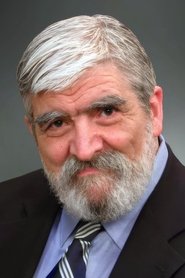
These lectures offer a coherent and beautifully articulated introduction to the great philosophic conversation of the ages. They cover an enormous range of seminal thinkers and perspectives, but always from the vantage point of the enduring questions: What can we know? How ought we to act? How should we order our life together?
E1: From the Upanishads to Homer▶ PLAY
E2: Philosophy—Did the Greeks Invent It?▶ PLAY
E3: Pythagoras and the Divinity of Number▶ PLAY
E4: What Is There?▶ PLAY
E5: The Greek Tragedians on Man’s Fate▶ PLAY
E6: Herodotus and the Lamp of History▶ PLAY
E7: Socrates on the Examined Life▶ PLAY
E8: Plato's Search For Truth▶ PLAY
E9: Can Virtue Be Taught?▶ PLAY
E10: Plato's Republic—Man Writ Large▶ PLAY
E11: Hippocrates and the Science of Life▶ PLAY
E12: Aristotle on the Knowable▶ PLAY
E13: Aristotle on Friendship▶ PLAY
E14: Aristotle on the Perfect Life▶ PLAY
E15: Rome, the Stoics, and the Rule of Law▶ PLAY
E16: The Stoic Bridge to Christianity▶ PLAY
E17: Roman Law—Making a City of the Once-Wide World▶ PLAY
E18: The Light Within—Augustine on Human Nature▶ PLAY
E19: Islam▶ PLAY
E20: Secular Knowledge—The Idea of University▶ PLAY
E21: The Reappearance of Experimental Science▶ PLAY
E22: Scholasticism and the Theory of Natural Law▶ PLAY
E23: The Renaissance—Was There One?▶ PLAY
E24: Let Us Burn the Witches to Save Them▶ PLAY
E25: Francis Bacon and the Authority of Experience▶ PLAY
E26: Descartes and the Authority of Reason▶ PLAY
E27: Newton—The Saint of Science▶ PLAY
E28: Hobbes and the Social Machine▶ PLAY
E29: Locke’s Newtonian Science of the Mind▶ PLAY
E30: No matter? The Challenge of Materialism▶ PLAY
E31: Hume and the Pursuit of Happiness▶ PLAY
E32: Thomas Reid and the Scottish School▶ PLAY
E33: France and the Philosophes▶ PLAY
E34: The Federalist Papers and the Great Experiment▶ PLAY
E35: What Is Enlightenment? Kant on Freedom▶ PLAY
E36: Moral Science and the Natural World▶ PLAY
E37: Phrenology—A Science of the Mind▶ PLAY
E38: The Idea of Freedom▶ PLAY
E39: The Hegelians and History▶ PLAY
E40: The Aesthetic Movement—Genius▶ PLAY
E41: Nietzsche at the Twilight▶ PLAY
E42: The Liberal Tradition—J. S. Mill▶ PLAY
E43: Darwin and Nature’s “Purposes”▶ PLAY
E44: Marxism—Dead But Not Forgotten▶ PLAY
E45: The Freudian World▶ PLAY
E46: The Radical William James▶ PLAY
E47: William James's Pragmatism▶ PLAY
E48: Wittgenstein and the Discursive Turn▶ PLAY
E49: Alan Turing in the Forest of Wisdom▶ PLAY
E50: Four Theories of the Good Life▶ PLAY
E51: Ontology—What There "Really" Is▶ PLAY
E52: Philosophy of Science—The Last Word?▶ PLAY
E53: Philosophy of Psychology and Related Confusions▶ PLAY
E54: Philosophy of Mind, If There Is One▶ PLAY
E55: What makes a Problem “Moral”▶ PLAY
E56: Medicine and the Value of Life▶ PLAY
E57: On the Nature of Law▶ PLAY
E58: Justice and Just Wars▶ PLAY
E59: Aesthetics—Beauty Without Observers▶ PLAY
E60: God—Really?▶ PLAY